
EN
Eyelid Surgery
for a refreshed, youthful appearance
What is eyelid surgery (blepharoplasty)?
Eyelid surgery is a surgical procedure that removes or repositions excess skin, fat, or sagging tissue around the eyelids. The goal is to achieve a natural, fresh expression without altering the character of the face.
Depending on the individual condition, different areas around the eye can be operated on:
- Upper eyelid surgery: Removal of excess skin and possibly fat from the upper eyelid. Commonly performed for hooded eyelids or restrictions in the field of vision.
- Lower eyelid surgery: Treatment of bags under the eyes and excess skin on the lower eyelid.
- Combination: In cases of pronounced conditions, both upper and lower eyelids can be treated in a combined session.
- Ptosis surgery: For drooping upper eyelids due to weakness of the eyelid elevator muscle, this is additionally corrected, known as a levator correction. This procedure can be combined with upper eyelid surgery.
Tired eyes, hooded eyelids, or bags under the eyes can give the impression that one is exhausted or older than they feel. Eyelid surgery – medically referred to as blepharoplasty – can significantly rejuvenate the expression, open the gaze, and make the entire face appear more vital. Whether for aesthetic or functional reasons: In our practice SA Aesthetics in Berlin, you will receive a personalized treatment using the latest technology.
Eyelid correction is suitable for adult women and men of all ages – especially when the eye area feels tired, strained, or heavy, and the visual impression does not match one's personal sense of life.
Why do the eyelids change over time?
The skin around the eyes is particularly fine, delicate, and constantly subjected to movement – when blinking, laughing, or through facial expressions. Over the years, it loses its firmness and elasticity. The result: excess skin on the upper eyelid, bulging on the lower eyelid, so-called bags under the eyes, or even restrictions in the field of vision.
Genetic factors, UV radiation, stress, lack of sleep, or the natural aging process also affect the eye area. These changes cannot be reversed by creams or massages. In these cases, surgical tightening offers an effective and long-term solution.
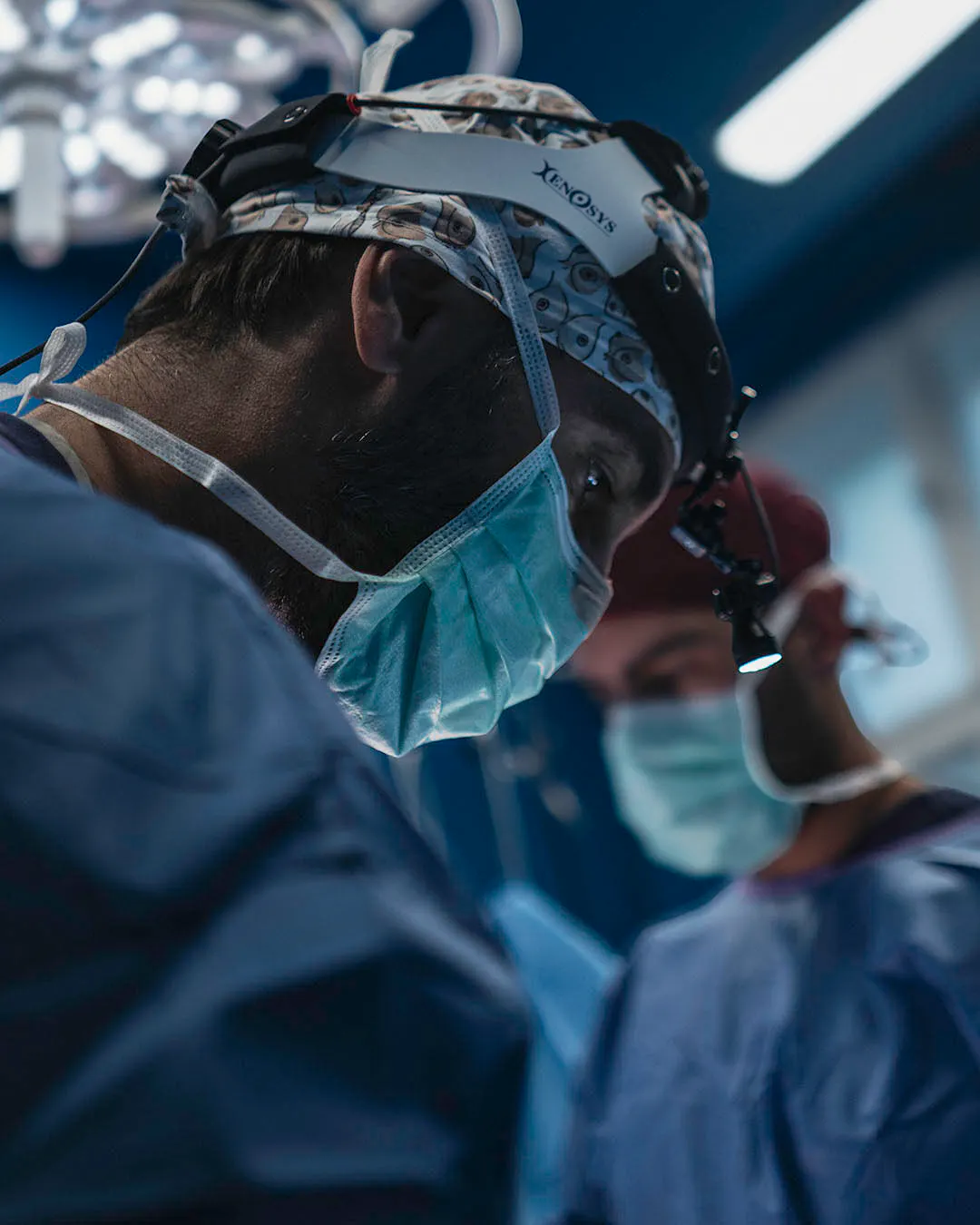
What methods of eyelid surgery are available?
Depending on the individual condition, skin quality, and starting situation, different techniques are used. In the personal consultation, we will analyze together which method is best suited for you. Depending on the individual condition, different areas around the eye can be operated on:

Which method is suitable for whom?
The choice of method depends on your individual findings. Here is a brief overview:
Procedure
- Upper Eyelid Lift
- Lower Eyelid (transcutaneous)
- Lower Eyelid (transconjunctival)
- Combination of Upper/Lower Eyelid
- Ptosis Correction (Levator Correction)
In the personal consultation, Chief Physician Themistoklis Stavrakis, M.D. will determine the appropriate method together with you – individually tailored to your wishes and anatomical conditions.
Treatment Process

Preparation for the Procedure
Careful preparation is important to support the healing process and minimize risks. This includes:
- Two weeks before the procedure, blood-thinning medications should only be taken after consulting with a doctor.
- Alcohol, nicotine, and certain dietary supplements that contain blood-thinning substances (e.g., Vitamin E, Vitamin C, Omega-3 fatty acids, Ginkgo, St. John's Wort) should also be avoided.
- Cooling pads, eye drops, and soft compresses can be prepared in advance.
The Day of the Surgery - What to Expect
On the day of the surgery, we will welcome you to our clinic for a brief pre-consultation. Following that, preparation for the procedure begins: the relevant areas will be marked, and you will receive – depending on the agreed procedure – a local anesthetic, sedation (twilight sleep), or a short general anesthesia.
Upper Eyelid Lift Procedure
Lower Eyelid Lift Procedure
Aftercare & Healing Time
The first few days after the surgery are crucial for the healing process. It is important to prevent swelling and protect the eye area:
- Cooling: several times a day with moist compresses or cooling glasses
- Positioning: keep your head elevated – even while sleeping
- Avoid: no makeup, no contact lenses, no sports in the first 1–2 weeks
The stitches will be removed about 7 days after the surgery. By this time, swelling and bruising have usually decreased significantly. The final result will be visible after 4-6 weeks. Small redness or residual swelling may still be present for some time but can be easily concealed with makeup.
Possible Risks & Side Effects
Eyelid lifts are among the safest plastic-aesthetic procedures. However, as with any surgery, there are certain risks involved. These include:
- Swelling, bruising
- Tightness, dryness
- Temporary asymmetries after the surgery
- Rare: visible scars
- Rare: Infections
Through careful planning, state-of-the-art techniques, and precise work, complications can largely be avoided.
Frequently Asked Questions (FAQ)
After about 4-6 weeks, most of the healing is complete. Minor changes may still occur for up to three months.
The effect of an eyelid lift typically lasts for many years. Exactly how long depends on individual factors such as skin texture, genetics, and lifestyle.
Generally after 7-10 days. Light redness can be easily covered with makeup.
Yes – a combined upper and lower eyelid lift is possible and saves time in the healing process.
Cooling, keeping your head elevated, adequate hydration, and rest.
Contact lenses should be paused for about a week. After that, wearing them is usually possible without issues.
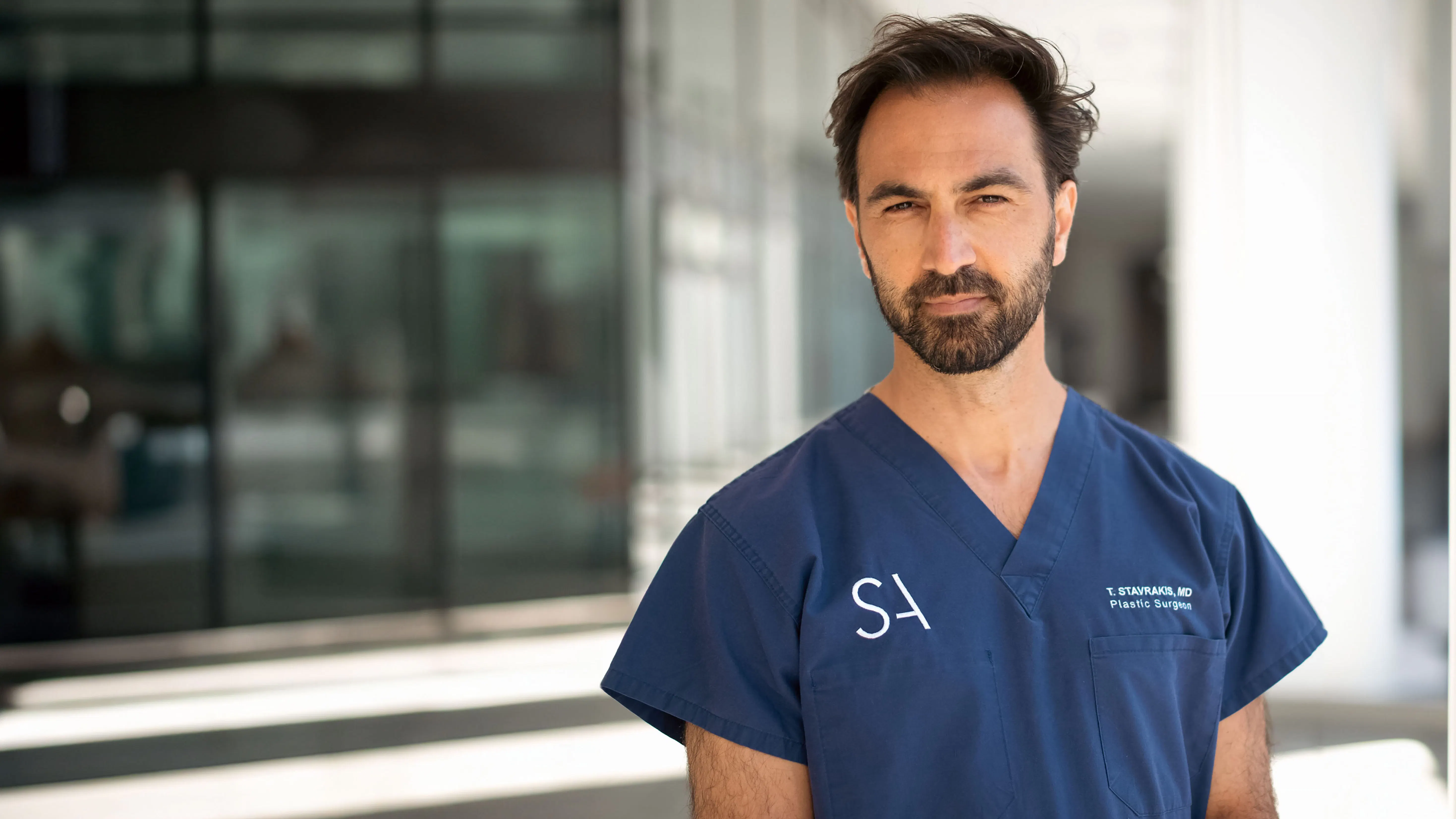
Chief Physician Themistoklis Stavrakis, M.D.
Specialist in Plastic and Aesthetic Surgery
Years of experience in plastic and aesthetic surgery, along with his previous role as chief physician at a renowned German clinic, shape the professional career of our founder. In our practice clinic in Berlin, we follow a clear approach: individually planned treatments tailored to anatomy, expression, and personal wishes.
"Beauty is how you feel"
Schedule your consultation now
Do you desire a fresh, clear look and want personalized advice? We look forward to hearing from you. In a personal consultation, Chief Physician Themistoklis Stavrakis will discuss your wishes with you, present possible treatment options, and develop a customized treatment plan.
You might also be interested in.
Discover more treatments.